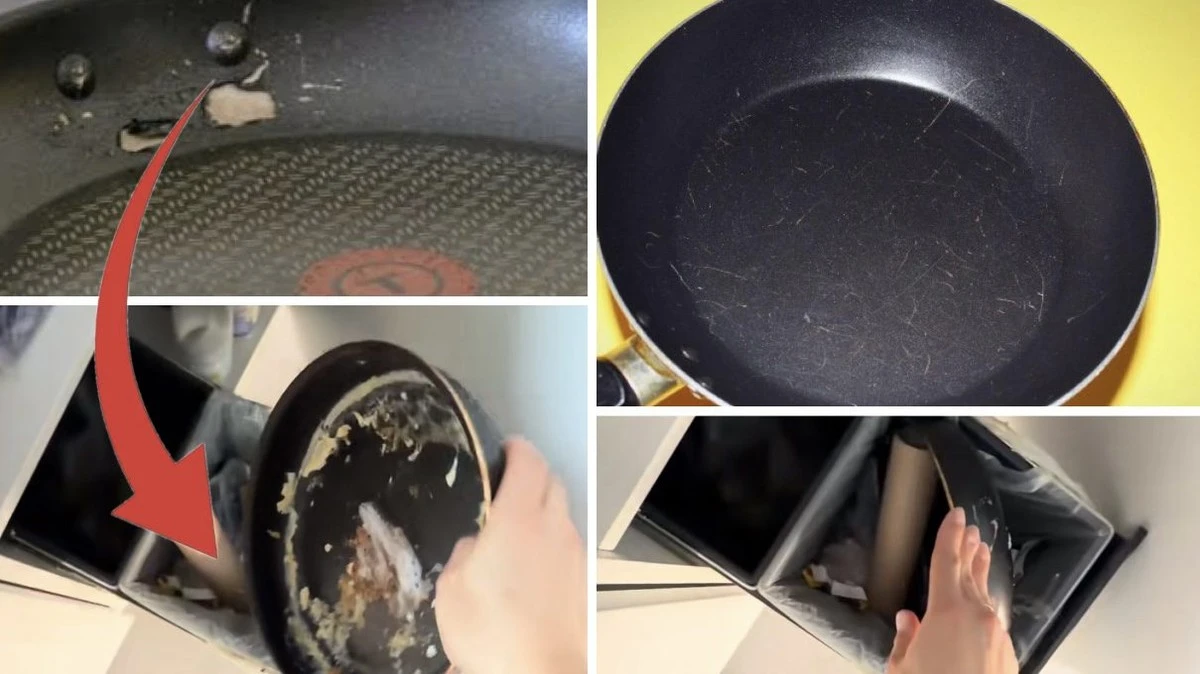
You might not think twice about that tiny scratch on your non-stick pan. It’s barely there, and the pan still looks decent, right? Many of us operate under the assumption that a pan is good until it’s visibly falling apart. But what if I told you that even a minor imperfection on your Teflon pan is a ticking time bomb for your health? This isn't about old pots; it's about a silent threat that can impact your well-being, regardless of how new your cookware is.
The Hidden Danger Lurking on Your Stove
Teflon, or polytetrafluoroethylene (PTFE), is a marvel of modern convenience – a smooth, non-stick surface that lets food glide. For a while, it’s a dream chef’s companion. However, the moment that seemingly innocent scratch appears, the game changes dramatically.
What Happens When Teflon Scratches
When heated, damaged Teflon can release toxic fumes. These aren't just airborne nuisances; they can infiltrate your food and, subsequently, your body. Over time, these microscopic particles can accumulate, potentially disrupting your hormonal balance, weakening your immune system, and even contributing to serious internal inflammation, some studies suggest a link to more severe health issues.
Your health is far more valuable than any piece of cookware. Trusting experts in this field, the safest bet is to say goodbye to a compromised Teflon pan and send it to the recycling bin without a second thought.
A Temporary Fix: When a New Pan Isn't an Option
Life happens, and sometimes replacing a pan isn't immediately feasible. If you find yourself in this situation, there's a clever way to "outsmart" the problem for a short while. It's not a permanent solution, but it can help you bridge the gap.
Your "Emergency" Non-Stick Hack
- Grab a sheet of parchment paper (baking paper).
- Cut it to fit the bottom of your pan.
- Lightly crumple the parchment before smoothing it out to help it lay flat.
- Place the parchment on a clean, dry pan.
- Add a small amount of oil as you normally would.
- Cook your food as usual.
This method is ideal for dishes that don't require excessive liquid or sauces, like frying cutlets or reheating a meal. The food won't come into direct contact with the damaged Teflon, and you can simply discard the parchment paper afterward. It’s a practical, albeit temporary, shield.
The Robust Alternatives: What DOESN'T Fear Scratches
It’s worth noting that scratches on other types of pans aren't nearly as concerning. Take aluminum or cast-iron skillets, for instance. Even with significant signs of use and visible scratches, these pans remain a safe bet for your kitchen. Their homogenous material means there's no hidden chemical release – a stark contrast to the potential risks associated with damaged Teflon.
So, next time you notice a scratch, don't wait. Your family's well-being is worth the immediate action. Have you ever had to discard a Teflon pan prematurely? Share your experience in the comments below!